
Best Piles Doctor
in Ahmedabad, Gujarat
Painless, safe, and permanent laser solutions by Dr. Saurabh Patel. Get back to your normal life within 24 hours.
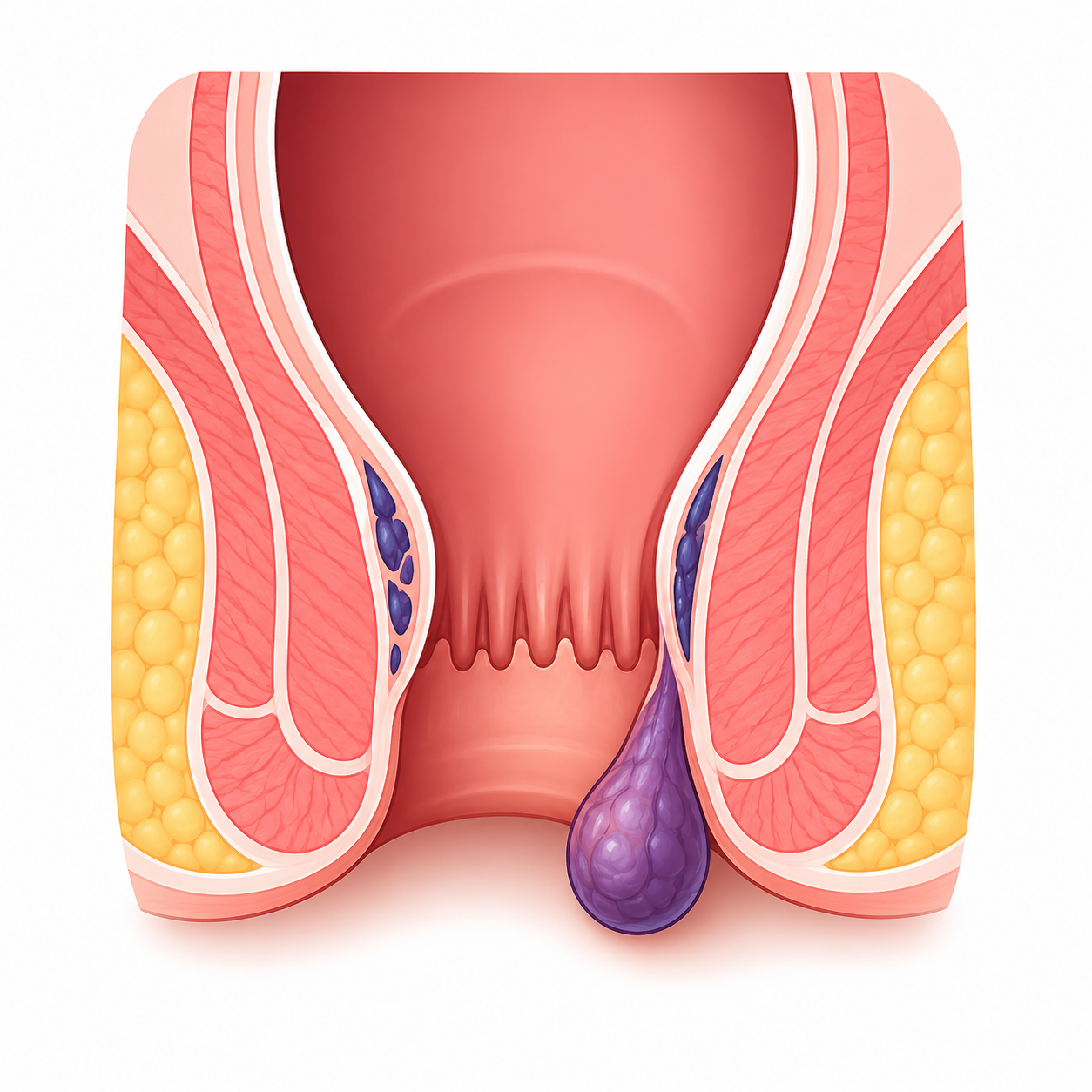
What is Piles ?
Piles are swollen, inflamed veins in your anus and lower rectum, similar to varicose veins. While they are incredibly common, the silent suffering they cause can be physically and emotionally draining. You don't have to live with the pain, bleeding, and constant discomfort.
Often caused by chronic constipation, long hours of sitting, heavy lifting, or pregnancy, piles can start as a minor annoyance and quickly escalate into a debilitating condition that stops you from enjoying daily life.
At Procto Surgical Hospital, we understand the embarrassment and anxiety that comes with anorectal diseases. Our mission is to restore your comfort and dignity with the world's most advanced, painless laser therapies. Your pain ends here.
At Procto Surgical Hospital Ahmedabad, Gujarat, we use advanced, US-FDA approved LHP/Laser technology to treat Piles without any cuts, bleeding, or pain.
Symptoms of Piles
Bleeding
Painless bright red bleeding during bowel movements. You might notice blood on the toilet tissue or in the bowl.
Painful Swelling
A hard, painful lump or mass protruding from the anus, making sitting or walking extremely uncomfortable.
Severe Itching
Intense itching, soreness, or burning sensation in the anal area that disrupts your sleep and focus.
What Causes Piles ?
Chronic Straining
Pushing hard during bowel movements puts immense pressure on rectal veins, causing them to swell.
Low-Fiber Diet
Eating foods low in fiber leads to hard stools, which increases the necessity of straining.
Prolonged Sitting
Sitting for long periods, especially on the toilet, pools blood in the anal veins and weakens tissues.
Pregnancy & Childbirth
Increased pressure in the abdomen from the fetus, along with straining during delivery, triggers hemorrhoids.
Chronic Diarrhea/Constipation
Frequent bowel dysfunctions irritate and inflame the rectal lining and venous plexus.
Weakening Supportive Tissues
Aging naturally stretches and weakens the supportive tissues in the rectum and anus.
Severity Stages of Piles
Early intervention prevents severe complications. Learn how this condition progresses.
Grade 1 (Internal)
Bleeding is present but veins do not prolapse or protrude outside the anal canal.
Grade 2 (Prolapsing)
Veins protrude outside the anus during defecation but slide back in automatically.
Grade 3 (Manual Reduction)
Veins prolapse outside the anus and must be manually pushed back in by the patient.
Grade 4 (Irreducible)
Veins permanently prolapse outside the anus and cannot be pushed back, causing severe pain.
Laser vs. Traditional Surgery for Piles
| Feature | Advanced Laser Treatment | Traditional Surgery |
|---|---|---|
| Pain Level | Virtually Painless (Deep Sedation) | Severe Post-Operative Pain |
| Blood Loss | Near Zero (Laser coagulates vessels) | Significant bleeding |
| Hospital Stay | Daycare Procedure | 2 to 3 days of hospitalization |
| Recovery Time | Return to work in 24 to 48 hours | 2 to 3 weeks of strict bed rest |
| Stitches & Wounds | Zero stitches, zero open wounds | Multiple sutures & painful cuts |
| Recurrence Rate | Extremely Low (<1%) | High recurrence (8% to 10%) |
Why Choose Procto Surgical Hospital?
Recovery Timeline
Day 1: Procedure
Walk back home the same evening.
Day 2: Normal Activity
Resume normal light desk work.
Day 10: Near Zero Pain
Back to your full fitness routine.
Diet & Lifestyle Guidelines
Small changes in your daily routine can prevent recurrence and support fast healing.
Recommended Diet & Tips
Drink at least 3-4 liters of water daily to keep stools soft.
Eat plenty of high-fiber foods such as oats, beans, apples, and bananas.
Avoid spicy, oily, and highly processed fast foods.
Do not sit on the toilet for more than 5 minutes; avoid reading or using phones.
Avoid heavy lifting and strenuous workouts that strain the lower body.
Add a cup of curd or buttermilk to your meals daily for healthy gut flora.