
Best Chronic Constipation Doctor
in Ahmedabad, Gujarat
Painless, safe, and permanent laser solutions by Dr. Saurabh Patel. Get back to your normal life within 24 hours.
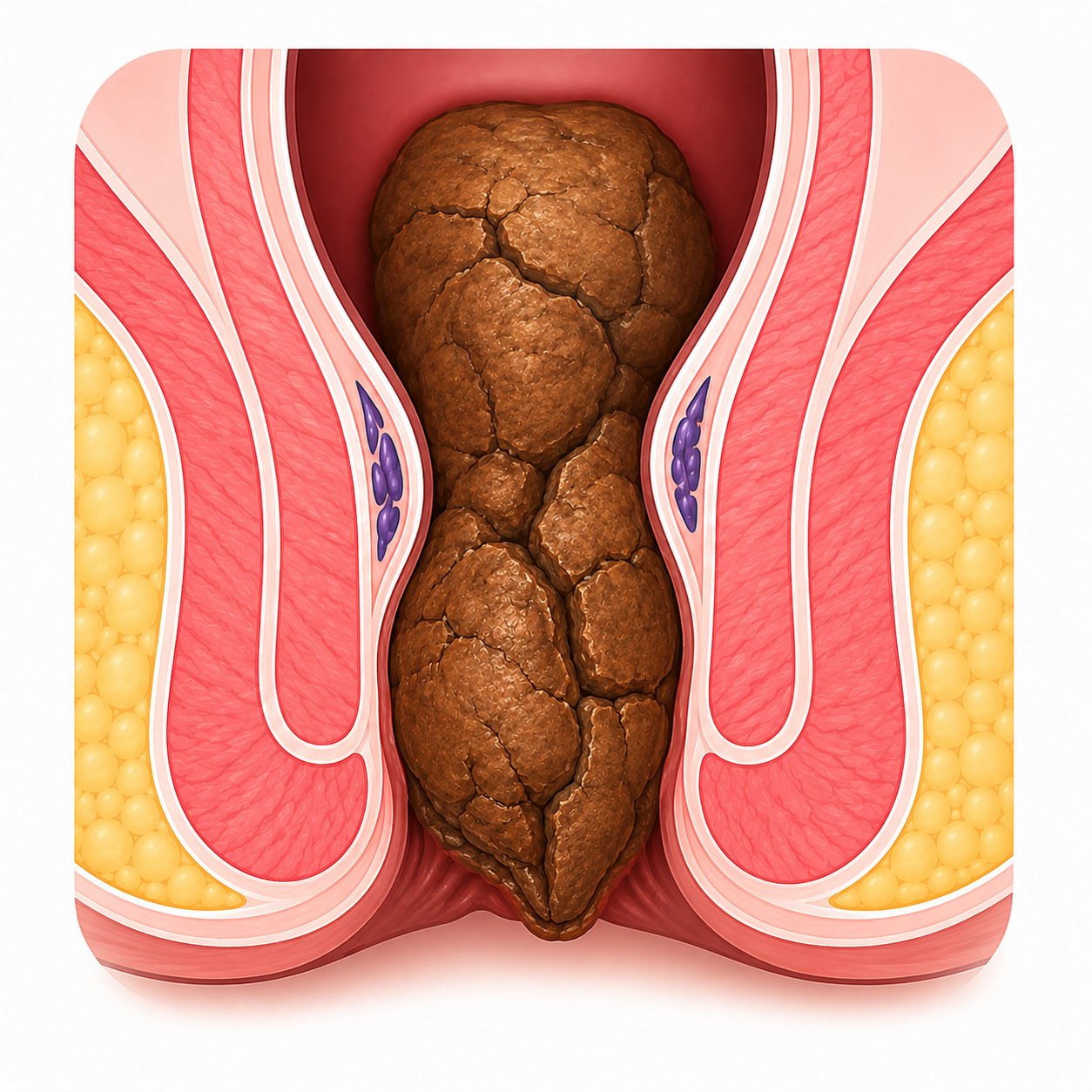
What is Chronic Constipation?
Chronic Constipation involves infrequent bowel movements or difficult passage of stools that persists for several weeks or longer. It's generally defined as having fewer than three bowel movements a week.
Ignoring constipation can lead to severe structural complications like piles, fissures, and rectal prolapse due to chronic straining. At Procto Surgical Hospital, we look beyond simple laxatives. We utilize advanced diagnostic tools like Anorectal Manometry to identify functional pelvic floor issues and treat them using advanced, non-surgical Biofeedback Therapy.
At Procto Surgical Hospital Ahmedabad, Gujarat, we use advanced, US-FDA approved LHP/Laser technology to treat Chronic Constipation without any cuts, bleeding, or pain.
Symptoms of Chronic Constipation
Infrequent Stools
Passing fewer than three stools a week, accompanied by bloating, gas, and lower back discomfort.
Severe Straining
Having lumpy, hard, dry stools and needing to strain intensely to initiate or finish a bowel movement.
Incomplete Evacuation
Feeling as though there is a physical blockage in your rectum or that you cannot fully empty your bowels.
What Causes Chronic Constipation?
Low Fiber Diet & Dehydration
A lack of dietary fiber and insufficient water intake makes stools dry, hard, and extremely difficult to push.
Pelvic Floor Dyssynergia
The pelvic muscles and anal sphincter contract instead of relaxing during bowel movements, blocking stool exit.
Ignoring the Natural Urge
Repeatedly delaying bowel movements desensitizes the rectal nerves, leading to stool accumulation and drying.
Lack of Physical Activity
A sedentary lifestyle slows down the natural muscular contractions (peristalsis) of the colon.
Laxative Abuse/Dependency
Overusing chemical laxatives makes the bowel 'lazy' and unable to function naturally without stimulation.
Hormonal & Neurogenic Issues
Hypothyroidism, diabetes, or nerve damage from spinal issues can slow down colon motility.
Severity Stages of Chronic Constipation
Early intervention prevents severe complications. Learn how this condition progresses.
Occasional Constipation
Acute, short-term episodes caused by changes in diet, travel, stress, or minor dehydration. Responds quickly to hydration.
Chronic Functional
Difficulty passing stool persisting for over 3 months. Stools are regularly hard, and patient experiences persistent bloating.
Pelvic Floor Dyssynergia
A coordination defect where pelvic floor muscles fail to relax during straining. Stools get stuck in the rectum.
Obstructed Defecation (ODS)
Severe structural or functional inability to evacuate, often accompanied by rectocele or internal prolapse.
Open Surgery vs Laparoscopic Surgery vs Stapler Surgery
| Feature | Open Surgery | Laparoscopic Surgery | Stapler Surgery (STARR) |
|---|---|---|---|
| Surgical Approach | Large abdominal incision (10-15 cm) | Keyhole abdominal incisions (0.5-1 cm) | Transanal route (No abdominal cuts or scars) |
| Hospital Stay | 5 to 7 days of hospitalization | 2 to 3 days of hospitalization | Daycare or maximum 24 hours stay |
| Post-Op Pain Level | Severe (Requires epidural/strong painkillers) | Moderate (Managed with oral medication) | Minimal to none (Performed in painless zone) |
| Recovery Time | 4 to 6 weeks for full recovery | 10 to 14 days to resume normal activity | 3 to 5 days for immediate return to work |
| Blood Loss | Significant (Requires monitoring/transfusion) | Minimal (Precise small port access) | Near Zero (Stapler seals vessels instantly) |
| Tissue Trauma | High (Significant muscle & tissue dissection) | Low (Minimal muscle trauma) | None (Internal mucosal correction) |
| Recurrence Rate | 10% to 12% recurrence | Less than 3% recurrence | Less than 1% recurrence for ODS cases |
Why Choose Procto Surgical Hospital?
Recovery Timeline
Day 1: Procedure
Walk back home the same evening.
Day 2: Normal Activity
Resume normal light desk work.
Day 10: Near Zero Pain
Back to your full fitness routine.
Diet & Lifestyle Guidelines
Small changes in your daily routine can prevent recurrence and support fast healing.
Recommended Diet & Tips
Drink a glass of warm water immediately upon waking up to stimulate the gastrocolic reflex.
Include high-fiber foods such as wheat bran, oats, psyllium husk (Isabgol), flaxseeds, and prunes.
Incorporate a physical routine, like a brisk 30-minute walk daily, to keep the bowels moving.
Establish a fixed toilet schedule daily, preferably 15-30 minutes after breakfast or warm tea.
Use a toilet footstool to lift your knees above your hips, creating a natural squatting angle.
Avoid highly processed foods, cheese, red meat, and excess caffeine which dehydrates the gut.